
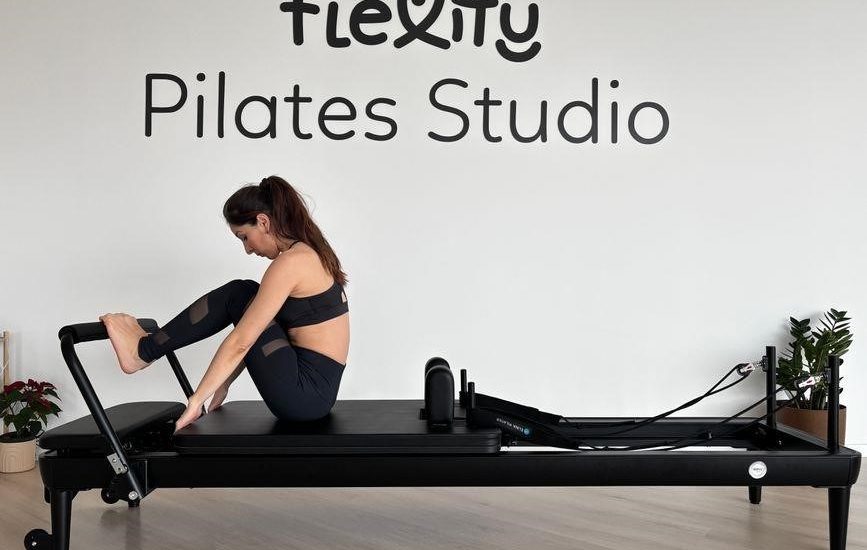
Overview of Pilates Reformer PDFs
Reformer PDFs offer a versatile library of free, downloadable plans that combine classic Pilates moves with modern variations. Users can access structured routines, detailed diagrams, and progression charts, all in a portable format that fits home studios or travel gear. Updated monthly for fresh routines.!
Definition and Structure of Reformer PDF Resources
Reformer PDF resources are digital compilations presenting Pilates reformer routines in a portable, printable format. Each document contains a title page, an introductory section with safety guidelines, and a table of contents listing exercises. The core includes exercise pages with concise names, brief descriptions, and step‑by‑step diagrams. Many PDFs feature a progression scale, recommended repetitions, and optional modifications for beginners or advanced practitioners. The structure is designed for easy navigation, with page numbers and hyperlinks that jump directly to the desired exercise. PDFs are sized for A4 or letter paper, allowing printing as single sheets or double‑sided booklets. The digital format ensures offline access, sharing via email or cloud storage, and regular updates by authors or community contributors. Overall, these resources provide a comprehensive, user‑friendly guide supporting consistent practice at home or in a studio. Users can also customize routines by selecting specific muscle groups or targeting particular goals such as flexibility, strength, or rehabilitation. These resources are typically available in PDF format, making them lightweight and easily shareable across devices. The consistent layout across documents ensures that users can quickly locate exercises and reference alignment cues without confusion., and more insights! Enjoy. 🙂
Additionally, many reformer PDF collections are organized by difficulty level, muscle group, or session length. For example, a beginner set may contain 10–12 exercises focusing on core stability and basic footwork, while an advanced set may include 20–25 movements that challenge balance, flexibility, and strength simultaneously. Some PDFs provide a “quick‑start” version, summarizing essential exercises for a 15‑minute routine; Others offer a “full‑body” version, spanning 30–45 minutes with a balanced mix of upper and lower body work. The layout often uses a two‑column design: the left column shows the exercise name and key points, while the right column displays the illustration. This dual‑view format helps users read instructions while visualizing the movement. Some PDFs include a printable progress tracker and a summary of key alignment cues to help users monitor improvements over time. Advanced collections may also provide video links or QR codes for visual reference. Beginner sets often start with fundamental footwork and core engagement before progressing to more complex movements. Users can download multiple versions and create a personalized library tailored to their training schedule.
Benefits of Using Reformer PDFs for Practice
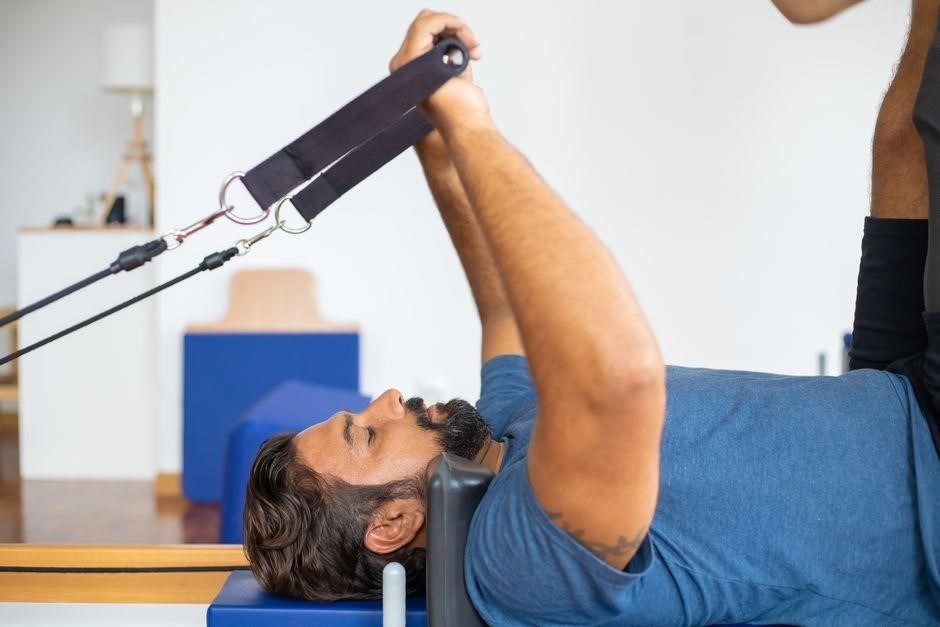
Reformer PDFs give access to structured routines, enabling practice at home. They’re printable, and free, saving time and money. With clear diagrams and progression charts, users can safely progress, track improvements, and customize workouts to fit schedule.
Convenience and Accessibility for Home Workouts
Reformer PDFs provide a portable, cost‑effective solution for home Pilates enthusiasts. By downloading a PDF, users can print or view the routine on any device, eliminating the need for a subscription or physical book. The layout typically includes step‑by‑step instructions, clear illustrations, and adjustable resistance settings, allowing beginners to start safely and advanced practitioners to explore new challenges. Because the files are lightweight, they can be stored on a phone, tablet, or cloud service, ensuring that the workout is always within reach. Users can schedule sessions around their daily routine, pause and resume without losing progress, and share the PDF with a trainer for feedback. The instant availability of free, downloadable PDFs also means that seasonal variations or holiday‑specific sequences can be incorporated quickly, keeping the practice fresh and engaging. Overall, the convenience of free, downloadable PDFs empowers individuals to maintain consistency, track improvements, and enjoy a full‑body Pilates experience without leaving home. Each PDF includes a detailed progression chart, a glossary of terms, and optional video links that demonstrate proper form, ensuring that even those who practice alone receive the same quality guidance as in a studio setting, while allowing personal adaptation based on flexibility, injury history, or training goals. These PDFs are updated to reflect research and trends, keeping your practice current.
Types of Reformer Exercise PDFs Available
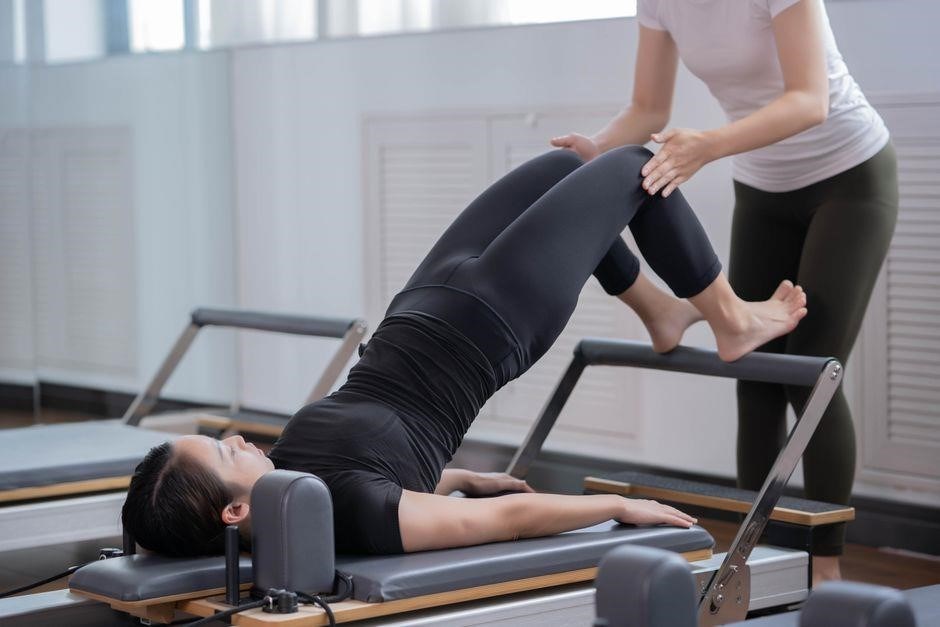
Reformer PDFs come in three main categories: beginner, intermediate, and advanced. Each set offers tailored sequences, resistance levels, and progression charts. Users can mix and match to suit skill, goals, or recovery needs, ensuring a personalized, scalable routine. PDFs can be printed or viewed on devices.
Beginner, Intermediate, and Advanced PDF Collections
Free Reformer PDFs are organized into three tiers—beginner, intermediate, and advanced—each reflecting a practitioner’s skill level and training goals. The beginner pack emphasizes core fundamentals such as the Hundred, Roll‑Up, and Leg Circles, with step‑by‑step illustrations, safety cues, and optional modifications for newcomers. These routines build a solid base before adding resistance or complexity. The intermediate bundle expands on that foundation by adding moderate resistance, longer sets, and transitional exercises that bridge basic patterns to more demanding sequences. PDFs in this tier feature the Short Spine Massage, Teaser, and the “Staircase” series, each with progression charts and alternative grips to accommodate varying strength levels. Users can track progress by noting reps, resistance, and time. The advanced pack offers intensity sequences, multi‑step combinations, and modifications such as the “Double Leg Stretch” with added resistance or the “Jackknife” on the Reformer. Diagrams illustrate foot placement, hand positioning, and spine articulation, while safety warnings remind users to maintain a neutral pelvis and avoid over‑extension. Advanced PDFs also provide downloadable templates for creating custom workouts, allowing experienced users to tailor routines to specific training goals or rehabilitation protocols. All three tiers are downloadable as PDFs, printable, and compatible with tablet or phone screens, enabling users to mix and match exercises across levels to create balanced, progressive programs that evolve with their skill level. By following the structured progression, practitioners can safely increase load, complexity, and duration, ensuring continuous improvement while minimizing injury risk. Start transforming today for daily results!
Trusted Sources for Free Reformer PDF Downloads
Top sites include the official Pilates Alliance, Pilates Anytime, and community forums like Pilatesology. These sites provide vetted, royalty‑free PDFs, updated weekly, with clear licensing. Download responsibly and verify copyright compliance!
Reputable Pilates Communities and Official Websites
Pilates communities such as the Pilates Alliance, Pilates Anytime, and the International Pilates Federation offer free, high‑quality PDF resources. These sites maintain strict quality controls, ensuring each PDF contains clear illustrations, step‑by‑step instructions, and safety warnings. The Pilates Alliance hosts an open‑access library where certified instructors upload routine sets with difficulty levels and modification notes. Pilates Anytime’s free tier provides downloadable PDFs for beginner and intermediate workouts, while the paid tier expands to advanced sequences. The International Pilates Federation’s website features a curated collection of peer‑reviewed PDFs, guaranteeing adherence to Pilates principles. Community forums like Pilatesology and the Pilates Forum host user‑generated content, but recommend cross‑checking with official sources. Many sites provide direct download links, while others offer email subscription options for periodic updates. Users should verify that PDFs are licensed for personal use, as some may require attribution or a small fee for commercial distribution. By leveraging these platforms, practitioners can build a comprehensive, legally compliant library of reformer exercises that supports consistent, safe training at home or in studio settings. These trusted sources collectively provide a robust ecosystem for downloading, printing, and organizing reformer exercise PDFs, enabling practitioners to maintain a structured training plan without incurring costs or compromising instructional quality. By subscribing to newsletters from these sites, users receive monthly updates, seasonal workout themes, and exclusive access to instructor‑led webinars that deepen their understanding of Pilates principles. These resources also include printable progress trackers and video links for visual reference. Ideal for beginners!!! Download these PDFs today and start your Pilates journey now.
Legal and Copyright Considerations
Free Pilates PDF downloads must respect copyright laws. Use only public‑domain or free‑use licensed resources. Do not share or print beyond personal use unless permission granted. Cite source and verify licensing terms. All PDFs are for personal use only.!!
Understanding Free Use vs. Paid Resources
Free-use Pilates reformer PDFs are typically distributed under Creative Commons licenses or as public domain materials, allowing individuals to download, print, and practice without any financial obligation. These resources often come from community forums, instructor blogs, or nonprofit organizations that aim to broaden access to Pilates education. While the content is freely available, users must still respect the license terms—many free PDFs are designated for personal use only, prohibiting redistribution or commercial exploitation. In contrast, paid resources usually offer a higher level of detail, including advanced video tutorials, personalized coaching, and comprehensive progression plans. Commercial providers invest in professional photography, expert choreography, and rigorous quality control, which justifies the cost. Additionally, paid PDFs may include exclusive content such as downloadable workout logs, progress trackers, or integration with mobile apps. When deciding between free and paid options, consider the depth of instruction, the credibility of the source, and your own practice goals. Free PDFs are ideal for casual users or those just starting, whereas paid materials can support a structured, long‑term training regimen. Always verify the license before sharing or printing, and credit the original author to maintain ethical use.
Downloading these PDFs lets users tailor workouts, monitor progress, embed Pilates into routines, boosting strength and balance!!
Safety Guidelines When Following PDF Workouts
Always set up the reformer correctly, check spring tension, and align the body before each move. Use a mirror for real‑time feedback, keep the spine neutral, and avoid over‑extension. Warm up, stay hydrated, and stop if pain occurs. —stay safe OK.
Proper Setup and Alignment Checks
Before you begin a reformer session, ensure the machine is positioned on a stable, level surface. Adjust the footbar to the correct height so that your feet remain flat and the knees are slightly bent, preventing hyperextension. Align the carriage so that the springs are neither too loose nor overly taut; a proper tension range allows for controlled resistance. Place the mat or cushion under the carriage to reduce friction and protect the springs. Verify that the footbar’s pivot point is centered beneath the carriage, ensuring symmetrical movement. Check the alignment of the carriage rails: they should run parallel to the floor, with no wobble or tilt. When seated, your pelvis should be in a neutral position—neither tipped anteriorly nor posteriorly—so that the lumbar curve is maintained. Use a mirror or a video recording to monitor your posture during each exercise; the spine should remain in a neutral, slightly rounded position, shoulders relaxed, and shoulders drawn back; For standing exercises, keep the hips aligned over the knees, and the knees should track in line with the toes, avoiding valgus or varus positions. Ensure that the straps or handles are positioned to support a neutral wrist alignment; wrists should not be excessively flexed or extended. Finally, perform a quick mobility check: gently roll the spine from thoracic to lumbar, confirming no stiffness or misalignment. By consistently verifying these setup and alignment parameters, you reduce injury risk and maximize the effectiveness of each PDF‑guided routine. Always consult a certified instructor before advanced sequences!
How to Effectively Use a Reformer PDF in Your Routine
Download a PDF, review the routine, then set up the reformer. Follow the step‑by‑step diagrams, adjust the spring tension per the guide, and note any recommended modifications. Practice each exercise slowly, focus on breath, and track progress in a log. Check each movement with the PDF’s checklist!!
Reading Exercise Instructions and Modifications
When you open a free Pilates Reformer PDF, the first step is to skim the entire document to understand the flow and structure. Most PDFs are organized by warm‑up, core series, and cool‑down, each section containing a brief description, a step‑by‑step diagram, and a recommended set of repetitions. Carefully read the “Key Terms” or glossary at the beginning to decode symbols such as the number of springs, the “+” or “–” for resistance, and the notation for foot placement. This ensures you interpret the instructions correctly before you begin.
Next, focus on the “Modifications” column that appears beside each exercise. These are essential for tailoring the routine to your current fitness level or any physical limitations. For example, a “short bar” modification may reduce the range of motion for a hip flexion exercise, while a “full bar” increases the challenge. If you have a knee issue, the PDF will often suggest a “support” modification that places a cushion under the knee or uses a shorter bar to lessen strain.
Use the “Progression” notes to plan a gradual increase in difficulty. Many free PDFs include a “Beginner, Intermediate, Advanced” toggle or a footnote that tells you how to add resistance or extend the stretch. Mark these notes in a separate sheet or highlight them in the PDF for quick reference during your session.
Finally, before you start, print the PDF or open it on a tablet with a stylus. Highlight the key points, such as the correct hand position, the breathing cue, and the alignment markers. This visual aid will help you maintain proper form and reduce the risk of injury while you work through the routine.
After completing a session, review the PDF again, noting which modifications you used and how they felt. This reflection helps you adjust future workouts and ensures progressive overload. If a particular exercise felt too easy, switch to the next level in the progression notes; if it was too hard, revert to a simpler modification.
Many free PDFs allow you to annotate directly on the document. Use a PDF editor or a note‑taking app to add personal reminders, such as “increase spring tension by 1” or “focus on core engagement.” These annotations become a quick reference for your next visit to the studio or home setup.
When working with a trainer or sharing your routine, provide them with the PDF link or a printed copy. They can review the exact instructions and suggest additional modifications or progressions tailored to your goals. This collaborative approach maximizes the effectiveness of the free resource while keeping your practice safe and progressive.
Managing and Organizing Your Reformer PDF Library
Store PDFs in a dedicated folder, label each by level and focus, and use a spreadsheet to track dates, ratings, and notes. Print favorites for quick reference, and back up files to cloud storage. Regularly review and delete outdated routines to keep your library fresh and efficient. Keep organized.!
Digital Storage, Printing, and Personal Tracking
When building a long‑term Reformer PDF archive, begin by creating a clear folder hierarchy on your computer or external drive. Separate files by difficulty (Beginner, Intermediate, Advanced) and by focus area (Core, Flexibility, Strength). Use a consistent naming convention—e.g., “Reformer_Beginner_Core_2026.pdf”—so that a quick search returns the exact routine you need.
Printing is essential for hands‑on reference during sessions. Choose a high‑resolution PDF viewer that preserves the original layout and allows you to zoom without pixelation. Print each routine on a single sheet using a 4‑by‑6 or 5‑by‑7 inch sheet, then staple or bind them into a small binder. Label each sheet with the routine name and date to keep the binder organized.
Personal tracking turns passive downloads into a growth roadmap. Create a simple spreadsheet or use a note‑taking app to log each session: date, routine name, duration, intensity level, and any modifications made. Add columns for subjective metrics—energy, focus, and any aches—to spot patterns over time. Reviewing this log weekly helps you identify which exercises boost stability, which need more practice, and when to introduce new challenges.
Finally, schedule regular audits of your library. Every quarter, review the PDFs for outdated instructions or missing updates from reputable Pilates communities. Replace or delete files that no longer align with current best practices. Stay consistent and enjoy progress!!!