

LS Swap Transmission Options: A Comprehensive Guide
Navigating the world of LS swaps demands careful transmission selection; choices range from the budget-friendly Nissan 320Z 5-speed to the modern Tremec TKX, impacting performance and cost.
Understanding the LS Swap Landscape
The LS engine swap has exploded in popularity, transforming everything from classic GM trucks to BMWs and Jeeps. This surge isn’t simply about power; it’s about accessibility and a favorable power-to-weight ratio. However, a common misconception is that LS swaps are inherently “easy.” Experienced builders know this isn’t true, requiring meticulous planning and execution.
A crucial element often underestimated is the transmission choice. While the LS engine provides the muscle, the transmission dictates how effectively that power reaches the wheels. Early adopters faced challenges sourcing compatible parts, but now, numerous off-the-shelf solutions exist. The availability of options like the T56 Magnum, original T56, NV3550, and Tremec TKX has streamlined the process.
Understanding the landscape means acknowledging that a successful swap isn’t just about bolting in an engine; it’s about creating a cohesive powertrain. Careful consideration of bellhousing compatibility, crossmember requirements, and driveshaft modifications is paramount.
Popularity of LS Swaps & Common Misconceptions
The enduring appeal of LS swaps stems from the engine’s robust design, readily available parts, and impressive performance potential. Chevy LS engines have become the go-to choice for enthusiasts seeking to revitalize older vehicles or build unique project cars. This widespread adoption, however, breeds a dangerous assumption: that LS swaps are simple undertakings.
Many believe that because LS swaps are common, they are easy. This is demonstrably false. Successful swaps demand significant mechanical skill and a thorough understanding of component compatibility, particularly regarding the transmission. Choosing the right manual transmission – whether a T56 Magnum, NV3550, or Tremec TKX – is critical, and often overlooked by newcomers.
The perception of ease also downplays the potential for hidden costs and unforeseen challenges. Proper planning, including budgeting for a clutch, flywheel, and potentially a custom crossmember, is essential to avoid project derailment.

The Importance of Transmission Choice
Selecting the correct manual transmission is paramount for a successful LS swap, directly influencing the driving experience and overall reliability. The engine’s power output necessitates a transmission capable of handling the torque, preventing premature failure and ensuring optimal performance. Simply bolting any gearbox to an LS isn’t a viable strategy.
Consider the intended use of the vehicle. A daily driver benefits from a smoother, more comfortable transmission like the NV3550, while a dedicated track car might demand the precision and strength of a T56 Magnum or Tremec TKX. Budget constraints also play a role, with options like the Nissan 320Z 5-speed offering a cost-effective, albeit less refined, solution.
Ignoring transmission compatibility can lead to costly modifications and frustrating setbacks. Bellhousing alignment, crossmember fitment, and driveshaft length are all affected by the chosen transmission, demanding careful planning and potentially custom fabrication.

Transmission Types for LS Swaps
LS swaps commonly utilize manual transmissions for enhanced control and engagement, offering options like the T56, NV3550, and Tremec TKX for varied performance needs.
Manual Transmission Overview
For LS swap enthusiasts seeking a connected driving experience, manual transmissions represent a popular and rewarding choice. They offer precise control over gear selection, enhancing driver engagement and potentially unlocking greater performance. Several options cater to diverse budgets and power levels. The classic T56 remains a staple, known for its affordability and widespread availability, while the upgraded T56 Magnum provides increased strength for higher horsepower applications.
The NV3550 stands out as a robust and reliable option, favored for its durability and ability to handle significant torque. Modern offerings like the Tremec TKX deliver cutting-edge performance with improved shift quality and ratios. Even budget-conscious builders can explore options like the Nissan 320Z 5-speed, offering a cost-effective entry point into the world of manual LS swaps. Careful consideration of your vehicle’s intended use and the engine’s power output is crucial when selecting the ideal manual transmission.
Automatic Transmission Overview (For Comparison)

While this guide focuses on manual transmissions, acknowledging automatic options provides valuable context for LS swap decisions. Automatics offer convenience and ease of use, particularly in daily-driven vehicles or those facing heavy traffic. Popular choices include the 4L60E and 4L80E, both known for their durability and readily available aftermarket support. These transmissions can handle substantial power, making them suitable for high-performance builds.
However, automatics generally introduce more complexity in terms of wiring and control systems compared to manuals. They also tend to rob some power from the engine due to the torque converter. For enthusiasts prioritizing driver engagement and a direct connection to the powertrain, a manual transmission remains the preferred choice. Ultimately, the decision hinges on individual preferences and the intended application of the LS-swapped vehicle, balancing convenience against performance and control.
Top Manual Transmission Choices
Several manual transmissions excel in LS swaps: the T56 Magnum, original T56, NV3550, Tremec TKX, and Nissan 320Z 5-speed, each offering unique benefits.
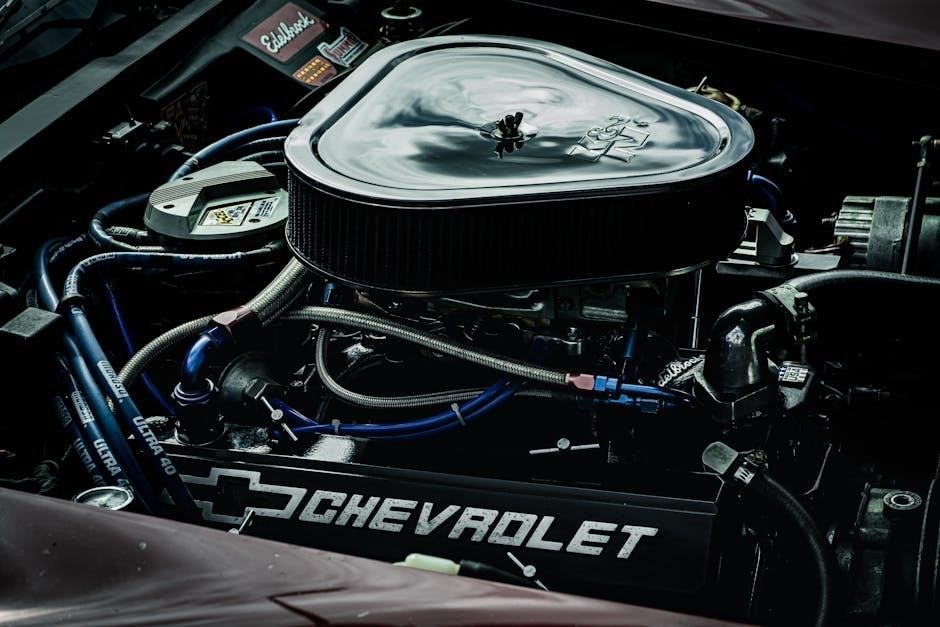
T56 Magnum: A Popular Upgrade
The T56 Magnum stands as a highly sought-after manual transmission for LS swaps, largely due to its robust construction and enhanced capabilities compared to the original T56. It boasts stronger internal components, specifically upgraded gears and shafts, making it exceptionally well-suited for handling the increased power output commonly associated with LS engines.
This transmission is renowned for its smooth shifting action and relatively quiet operation, contributing to a more refined driving experience. It typically features a 2.66:1 first gear ratio, providing strong acceleration, while maintaining an overall gear spread ideal for both street and track applications.
The Magnum’s popularity also stems from its widespread availability and relatively affordable price point, especially when considering used options. However, it’s crucial to verify the condition of any used unit before purchase, paying close attention to synchro wear and overall gear engagement. It’s a solid choice for builds aiming for significant horsepower and reliable performance.
T56: The Original Performance Option
Before the Magnum’s arrival, the original T56 reigned supreme as the go-to manual transmission for LS swaps seeking a performance boost. Initially found in applications like the Chevrolet Corvette and Camaro, the T56 quickly gained favor among enthusiasts for its six-speed configuration and ability to handle substantial power.
Its widespread adoption led to increased availability and a relatively affordable price, making it accessible for a broader range of swap projects. However, it’s important to note that the original T56 has limitations compared to later iterations.
Specifically, its internal components aren’t as robust as the Magnum’s, meaning it may require more frequent maintenance or rebuilding with higher horsepower builds. Despite this, a well-maintained T56 remains a capable and enjoyable transmission choice, offering a classic performance feel and a strong aftermarket support network for upgrades and repairs.
NV3550: Strength and Reliability
For LS swap projects prioritizing durability and torque handling, the NV3550 presents a compelling alternative to the T56. Originally designed for heavy-duty truck applications, this five-speed manual transmission boasts significantly stronger internal components, making it exceptionally well-suited for high-horsepower engines and demanding driving conditions.
While it lacks the sixth gear found in the T56, the NV3550’s robust construction provides peace of mind for those pushing the limits of their LS engine. It’s particularly popular in classic GM truck swaps (C10, C20) where strength is paramount.
However, the NV3550’s shift feel is often described as heavier and less refined than the T56, and it may require modifications to the transmission tunnel for proper fitment in some vehicles. Despite these considerations, its reliability and ability to withstand abuse make it a favorite among enthusiasts.
Tremec TKX: Modern Performance
The Tremec TKX represents the cutting edge of manual transmission technology for LS swaps, offering a blend of strength, precision, and modern features. This five-speed is designed as a direct replacement for the popular T10 and Borg-Warner T5 transmissions, simplifying installation in many applications.
Featuring a wider gear ratio spread and improved shift quality compared to older designs, the TKX delivers a more engaging driving experience. Its robust construction ensures it can handle substantial horsepower and torque, making it suitable for both street and track use.
The TKX also incorporates modern advancements like a shorter shift throw and quieter operation. While it comes at a higher price point than some alternatives, the enhanced performance and refined feel justify the investment for many LS swap enthusiasts seeking a premium driving experience.
Nissan 320Z 5-Speed: Budget-Friendly Option
For LS swappers prioritizing affordability, the Nissan 320Z 5-speed transmission presents a compelling, budget-conscious choice. Commonly sourced from 1983-1989 300ZX and 1990-1996 300ZX models, these transmissions offer a surprisingly robust solution for moderate power levels. While not as strong as a T56 or TKX, they can reliably handle up to around 400 horsepower.
The primary appeal lies in its low cost and relative ease of availability. However, adapting it to an LS engine requires additional components like a custom bellhousing and potentially a modified input shaft. Despite these extra steps, the overall cost remains significantly lower than other options.
It’s a popular choice for those building budget-friendly LS projects, particularly in older vehicles where maximizing value is key. Expect a slightly less refined feel compared to newer transmissions, but a substantial saving in overall project expenses.

Compatibility & Fitment Considerations
Successful LS swaps hinge on careful planning; bellhousing alignment, crossmember adjustments, driveshaft lengths, and appropriate clutch selection are crucial for a seamless integration.
Bellhousing Compatibility with LS Engines
Ensuring proper bellhousing compatibility is paramount when undertaking an LS swap with a manual transmission. LS engines utilize a unique bellhousing bolt pattern, necessitating careful selection to match your chosen transmission. Many aftermarket bellhousings are specifically designed to bridge the gap between LS engines and popular manual transmissions like the T56, NV3550, and Tremec TKX.
Direct bolt-up options exist for some transmissions, simplifying the process. However, for others, an adapter plate might be required. These plates ensure correct alignment and sealing between the engine and transmission. It’s crucial to verify the bellhousing’s compatibility with both the LS engine’s specific variant (e.g., LS1, LS3, LS9) and the transmission’s input shaft size and spline count. Incorrect matching can lead to alignment issues, vibration, and potential damage to the drivetrain. Thorough research and consulting with swap specialists are highly recommended before purchasing any components.
Transmission Crossmember Requirements
A robust transmission crossmember is essential for securely mounting your chosen manual transmission during an LS swap. Factory crossmembers are rarely compatible, demanding either modification or complete replacement with an aftermarket unit. The specific requirements depend heavily on the vehicle chassis and the transmission selected. For classic GM trucks like the C10, dedicated crossmembers are available, designed to accommodate the transmission while allowing for dual exhaust routing, even with lowered setups utilizing air bags.
Aftermarket crossmembers often offer adjustable positioning, crucial for achieving proper driveshaft angles. Ensuring correct alignment minimizes vibration and maximizes drivetrain efficiency. Consider the crossmember’s construction material – steel is common, offering strength and weldability. Proper installation, including secure mounting to the chassis, is vital for safety and longevity. Ignoring this step can lead to transmission movement and potential damage during operation.
Driveshaft Modifications & Length
Post-LS swap, expect driveshaft modifications are almost always necessary when changing transmissions. The LS engine and new manual transmission will likely alter the overall drivetrain length, rendering the original driveshaft incompatible. Accurate measurement is paramount; determine the required driveshaft length by measuring from the transmission output shaft to the differential input flange with the suspension at ride height.
You’ll likely need a custom driveshaft fabricated to the correct length. Consider the driveshaft’s material and construction – steel or aluminum options exist, each with trade-offs in weight and strength. Ensure the driveshaft is properly balanced to minimize vibration. The U-joints must also be compatible with both the transmission and differential yokes. Failing to address these details can result in premature wear, vibration, and potential drivetrain failure.
Clutch Selection for Your LS Swap
Choosing the right clutch is critical for a successful LS swap with a manual transmission. The LS engine’s torque output dictates the clutch’s required holding capacity. A stock clutch might suffice for mild builds, but performance-oriented swaps demand an upgraded unit. Consider your driving style – street, strip, or a combination – when selecting a clutch.
Options range from organic clutches for smooth engagement to performance clutches with increased clamping force; Disc diameter, spline count, and pressure plate design all influence performance. Hydraulic throw-out bearings are common in LS swaps, requiring compatibility with the chosen transmission. Don’t overlook the flywheel; matching it to the clutch and engine is essential. A properly matched clutch ensures reliable power transfer and prevents premature wear.

Specific Vehicle Applications & Transmission Choices
Vehicle-specific LS swap considerations heavily influence transmission choice; Fox Body Mustangs often utilize T56s, while classic GM trucks benefit from NV3550 strength.
LS Swap into Classic GM Trucks (C10, C20)
When performing an LS swap into a classic GM truck like a C10 or C20, transmission selection is crucial for maximizing the driving experience and ensuring reliability. The NV3550 stands out as a particularly strong contender, offering robust durability well-suited for the truck’s often heavier workload and potential for towing. Its strength allows it to handle the increased power output of an LS engine without issue.
However, the popular T56 Magnum is also a viable option, providing a modern overdrive and closer gear ratios for improved highway cruising and performance. For those seeking a more budget-friendly approach, a well-maintained T56 can be a good choice, though it may require more frequent maintenance. Crucially, a transmission crossmember specifically designed for LS swaps into these trucks is essential for proper fitment, as noted by available aftermarket support. Consider dual exhaust routing, as some transmissions may require adjustments to accommodate exhaust systems tucked up into the frame.
LS Swap into Fox Body Mustangs
For an LS swap into a Fox Body Mustang, the T56 Magnum consistently emerges as a top choice, balancing performance, durability, and relative ease of installation. Its robust construction handles the LS engine’s power admirably, and the overdrive gear is ideal for highway driving. However, the original T56 remains a popular, often more affordable, alternative, though it may require more diligent maintenance to ensure longevity.
The Tremec TKX offers a modern upgrade path, providing enhanced shift quality and durability, but at a higher price point. Bellhousing compatibility is a key consideration; a specific adapter is needed to mate the LS engine to the chosen transmission. Furthermore, careful attention must be paid to the transmission crossmember, as Fox Bodies require a swap-specific unit. Clutch selection is also vital, ensuring it’s appropriately matched to both the engine and transmission for optimal performance and reliability.
LS Swap into BMW E36/E46
LS swapping a BMW E36 or E46 presents unique challenges, demanding a transmission that can handle the power and fit the chassis. The T56 Magnum is a frequently chosen option, offering a good balance of strength and affordability, though modifications are almost always necessary for proper fitment. Adapting the BMW’s rear subframe to accommodate the LS and transmission requires careful planning and often custom fabrication.
The NV3550, known for its robustness, can also be utilized, but its lack of overdrive might be a drawback for highway cruising. Bellhousing adapters are crucial, and finding one specifically designed for BMW chassis is essential. Driveshaft modifications are inevitable, requiring precise length calculations. Clutch selection must account for the BMW’s pedal feel and the LS engine’s torque characteristics. Expect to invest in custom crossmember solutions and potentially modify the transmission tunnel for clearance.
LS Swap into Jeeps (TJ, YJ)
Jeep TJ and YJ LS swaps are incredibly popular, and transmission choice significantly impacts off-road capability and drivability. The T56 Magnum is a strong contender, providing six speeds for optimal gear ratios, but requires careful consideration of transfer case compatibility. The NV3550 offers exceptional strength, ideal for heavily modified Jeeps tackling tough terrain, though it lacks the T56’s overdrive.
Adapting the Jeep’s existing transfer case to the LS transmission necessitates an adapter plate. Custom driveshafts are almost always required due to the altered drivetrain geometry. Bellhousing compatibility is key, and aftermarket options are readily available. Clutch selection should prioritize durability and engagement characteristics suited for off-road use. Expect to modify the Jeep’s transmission crossmember or fabricate a new one entirely to accommodate the LS and chosen transmission.
Cost Breakdown & Budgeting
Manual transmission costs vary widely, from affordable used T5s to premium Tremec TKXs; factor in clutch, flywheel, crossmember, and potential adapter plate expenses.
Transmission Costs: New vs. Used
The financial aspect of selecting a manual transmission for your LS swap is significant, with a considerable price difference between new and used options. A used T56, the original performance choice, can often be found for around $800 to $1500, depending on condition and mileage. However, be prepared for potential rebuild costs down the line, potentially adding another $500 to $1000 to the overall expense.
Conversely, a new Tremec TKX, representing modern performance, will set you back between $2,000 and $2,500. While the initial investment is higher, you gain the peace of mind of a brand-new unit with a warranty. The T56 Magnum, a popular upgrade, typically falls in the $1,500 to $2,000 range when purchased new. Budget-friendly options like the Nissan 320Z 5-speed can be found for under $500 used, but their strength and suitability for high-horsepower LS engines should be carefully considered.
Ultimately, the choice hinges on your budget, power goals, and willingness to potentially invest in rebuilding a used transmission.
Additional Costs: Clutch, Flywheel, Crossmember
Beyond the transmission itself, several crucial components contribute significantly to the overall cost of an LS swap with a manual transmission. A quality clutch kit, matched to your engine’s power output, typically ranges from $300 to $800, depending on brand and type (single disc vs. twin disc). A compatible flywheel is essential, costing between $200 and $500, depending on material and weight.
Perhaps one of the most overlooked expenses is the transmission crossmember. For many vehicles, a direct-fit crossmember isn’t available, necessitating a custom-built or aftermarket solution. These can range from $200 for a basic, weld-in crossmember to $500+ for an adjustable, bolt-in unit. Don’t forget the pilot bearing/bushing, usually under $50, but vital for proper alignment.
These ancillary costs can easily add $750 to $1850+ to your project, so factoring them into your budget is crucial for a successful LS swap.
Potential Hidden Costs
LS swaps, even with meticulous planning, often reveal unexpected expenses. Driveshaft modifications are almost guaranteed, potentially requiring a new driveshaft ($300-$800) and balancing. Bellhousing adapters, if needed for transmission compatibility, can add $150-$400. Shifter solutions, beyond the basic, can range from $150 for a simple cable setup to $500+ for a short-throw hydraulic system.
Wiring integration for the speed sensor and other transmission-related functions can necessitate professional help, costing $100-$300. Unexpected issues like worn U-joints or a failing rear differential can surface during the swap, adding further costs. Don’t underestimate the price of fluids – transmission fluid, clutch fluid, and potentially rear differential fluid.
Budget an extra 10-15% of your total estimated cost to cover these unforeseen issues, ensuring a smoother and less stressful swap process.

Installation Considerations
Proper installation involves pilot bearing/bushing alignment, shifter placement, clutch type selection (hydraulic or cable), and careful wiring for seamless speed sensor integration.
Pilot Bearing/Bushing Requirements
When undertaking an LS swap with a manual transmission, addressing the pilot bearing or bushing is absolutely critical for proper alignment and smooth operation. LS engines typically utilize a pilot bushing, while many older transmissions were designed for a pilot bearing. Incorrect selection or installation can lead to premature wear, clutch chatter, and even transmission failure.
Determining the correct component depends on the input shaft diameter of your chosen transmission. Carefully measure the input shaft and consult compatibility charts to ensure a precise fit. Using the wrong size will prevent proper engagement and cause significant damage; Installation often requires a specialized pilot bearing/bushing installation tool to press the component into the crankshaft without damaging it.
Pay close attention to the depth of the pilot opening in the crankshaft; some LS engines may require slight modification to accommodate certain transmissions. Always lubricate the pilot bearing/bushing during installation to minimize friction and ensure long-term reliability. Ignoring this detail can compromise the entire swap.
Shifter Options & Placement
Selecting the right shifter for your LS swap manual transmission is crucial for a satisfying driving experience. Options range from factory shifters, often readily available and affordable, to aftermarket performance shifters offering shorter throws and more precise engagement. Placement is equally important, dictated by the transmission tunnel and desired ergonomics.
Universal shifters provide flexibility but may require modification to fit specific vehicles. Consider the shifter’s height and offset to ensure comfortable reach and smooth gear changes. Some swaps necessitate tunnel modifications to accommodate the new transmission and shifter location. Remote shifters are an option for challenging installations, mounting the shifter separately from the transmission.
Evaluate the shifter’s linkage style – direct, cable, or rod – as each impacts feel and maintenance. A well-chosen shifter enhances control and enjoyment, while a poorly selected one can lead to frustration. Careful planning and test fitting are essential for optimal shifter placement and performance.
Hydraulic Clutch vs. Cable Clutch
When pairing a manual transmission with your LS swap, the clutch actuation method – hydraulic or cable – is a significant decision. Hydraulic clutches generally offer a lighter pedal feel and more consistent engagement, favored by many enthusiasts for daily driving and performance applications. They require a master cylinder, slave cylinder, and hydraulic lines, adding complexity and potential leak points.
Cable clutches, conversely, are simpler and often more cost-effective, utilizing a cable to directly connect the pedal to the clutch fork. They can be easier to adjust and troubleshoot, but may exhibit a heavier pedal feel and potentially less precise engagement. Compatibility depends on the transmission and vehicle; some require adapter kits.
Consider your driving style, budget, and vehicle’s existing setup when choosing. Hydraulic systems often require more fabrication, while cable systems may need adjustments for optimal performance. Both options can deliver reliable clutch operation with proper installation.
Wiring & Speed Sensor Integration
Successfully integrating your chosen manual transmission with the LS engine’s electronics necessitates careful wiring and speed sensor considerations; The LS engine control module (ECM) requires a vehicle speed sensor (VSS) signal for accurate operation, including fuel delivery and ignition timing. Many aftermarket transmissions lack a dedicated VSS output, requiring an adapter or signal generator.
Wiring the VSS to the ECM often involves tapping into existing wiring harnesses or utilizing a standalone wiring solution. Ensure proper signal calibration to avoid inaccurate speedometer readings and potential drivability issues. Additionally, consider the reverse light switch wiring; connecting it to the transmission ensures proper illumination when in reverse.
Careful planning and potentially custom wiring are crucial for seamless integration. Consult wiring diagrams and consider professional assistance if you’re unfamiliar with automotive electrical systems.